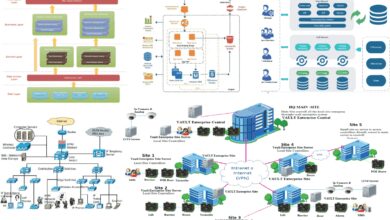
Welcome to the ultimate deep dive into the world of system group—a term that’s reshaping how we understand organizational structures, technology integration, and collaborative systems across industries.





Understanding the Core Concept of System Group

The term system group might sound technical, but its implications stretch far beyond engineering labs or IT departments. At its core, a system group refers to a structured collection of interconnected components—be they people, machines, software, or processes—that function together to achieve a specific goal. Think of it as a networked ecosystem where every part plays a defined role in maintaining balance and efficiency.
What Exactly Is a System Group?
A system group is not just a random assembly of elements. It’s an organized framework designed for synergy. In computing, for example, a system group could refer to a set of user accounts grouped under specific permissions within an operating system like Linux or Windows Server. In organizational theory, it might describe cross-functional teams working on integrated projects.
- A system group operates based on defined rules and relationships.
- It can be physical (like machinery clusters) or virtual (like cloud-based service groups).
- The effectiveness of a system group depends on communication, feedback loops, and adaptability.
“A system is more than the sum of its parts; it’s about how those parts interact.” — Russell L. Ackoff, systems theorist
Historical Evolution of the Term
The concept of grouping systems has roots in early 20th-century industrial engineering. Frederick Taylor’s scientific management introduced the idea of optimizing workflows by analyzing task groups. Later, with the rise of cybernetics in the 1940s—pioneered by Norbert Wiener—the idea of feedback mechanisms in system groups gained traction.
By the 1960s, systems theory became prominent in sociology, biology, and management. Today, thanks to digital transformation, the term system group has evolved into a multidisciplinary concept used in IT infrastructure, enterprise resource planning (ERP), and even artificial intelligence coordination frameworks.
System Group in Information Technology
In the realm of information technology, a system group often refers to user or device groupings managed through directory services such as Active Directory (AD), LDAP, or cloud identity platforms like Azure AD. These groups streamline access control, enhance security, and simplify administrative tasks.
User and Permission Management
One of the most common applications of system group in IT is managing user permissions. Instead of assigning rights individually, administrators create system groups (e.g., “Finance Team,” “Developers,” “HR Staff”) and assign access policies to the group as a whole.
- Reduces administrative overhead.
- Ensures consistency in access rights.
- Supports compliance with data protection regulations like GDPR or HIPAA.
For instance, in a Linux environment, the groupadd command creates a new system group, while usermod -aG adds users to it. This hierarchical structure ensures that only authorized personnel can modify critical system files.
Security and Access Control
Security is a top priority in modern IT ecosystems. A well-structured system group enhances security by enforcing the principle of least privilege—users get only the access they need, nothing more.
Consider a scenario where a database administrator needs elevated access. By placing them in a dedicated “DBAdmins” system group, their privileges are clearly defined and auditable. If they leave the company, removing them from the group instantly revokes their access—a process known as deprovisioning.
According to CISA, improper access control is one of the leading causes of data breaches. Proper use of system groups mitigates this risk significantly.
The Role of System Group in Organizational Structures
Beyond technology, the concept of a system group applies powerfully to human organizations. Companies are increasingly adopting system-based thinking to improve collaboration, innovation, and resilience.
Cross-Functional Teams as System Groups
In agile environments, cross-functional teams operate much like a system group. Developers, designers, product managers, and QA testers work together in a synchronized unit, each contributing unique expertise toward a shared objective—delivering value to customers.
- Each member represents a subsystem within the larger team.
- Feedback loops (daily standups, retrospectives) ensure continuous improvement.
- Team performance is measured holistically, not individually.
Research from Harvard Business Review shows that cross-functional system groups outperform siloed departments in innovation speed and problem-solving agility.
System Dynamics in Corporate Hierarchy
Organizations can be viewed as complex adaptive systems. Each department—marketing, finance, operations—acts as a subsystem within the broader corporate system group. When these subsystems align, the organization thrives. Misalignment leads to inefficiencies, duplicated efforts, and cultural friction.
For example, if the sales team operates independently of inventory systems, overpromising can occur, damaging customer trust. Integrating these departments into a unified system group with shared KPIs fosters accountability and transparency.
“The success of any organization depends on how well its internal system groups communicate and coordinate.” — Peter Senge, author of The Fifth Discipline
System Group in Engineering and Automation
In engineering, especially in automation and control systems, a system group defines a cluster of devices or processes that function cohesively. This is crucial in industries like manufacturing, energy, and transportation.
Industrial Control Systems (ICS)
In a smart factory, multiple machines—CNC routers, robotic arms, conveyor belts—are grouped into system groups controlled by a central SCADA (Supervisory Control and Data Acquisition) system. Each machine sends real-time data, allowing operators to monitor performance and detect anomalies.
- System groups enable predictive maintenance by analyzing sensor data.
- They reduce downtime through automated failover protocols.
- Integration with AI allows self-optimization of production lines.
According to a report by International Electrotechnical Commission (IEC), properly configured system groups in ICS can improve operational efficiency by up to 30%.
Modular Design and Scalability
Modern engineering favors modular design, where system groups act as plug-and-play units. For example, in renewable energy plants, solar panel arrays are grouped into system groups with independent inverters and monitoring systems. This modularity allows for easy expansion and maintenance.
If one module fails, it doesn’t bring down the entire system. This fault tolerance is a hallmark of robust system group architecture. Moreover, scalability becomes simpler—just add more modules as demand grows.
System Group in Software Architecture
Software development has embraced the concept of system group through microservices, containerization, and service-oriented architectures (SOA). Here, a system group refers to a collection of services or containers that work together to deliver a feature or application.
Microservices and Service Grouping
In a microservices architecture, different functionalities (user authentication, payment processing, notification engine) are developed and deployed independently. However, they are often grouped into logical system groups based on business domains.
- Customer Management System Group: Includes user profile, preferences, and account services.
- Order Processing System Group: Handles cart, checkout, and inventory updates.
- Analytics System Group: Collects and processes user behavior data.
This grouping improves maintainability and deployment speed. Teams can update one system group without affecting others, reducing the risk of system-wide outages.
Container Orchestration with Kubernetes
Kubernetes, the leading container orchestration platform, uses the concept of pods and services to manage system groups. A pod can contain multiple containers that must run together—forming a tight system group.
For example, a web application might have a main app container and a logging sidecar container in the same pod. Kubernetes treats them as a single deployable unit, ensuring they’re scheduled together and share resources.
Learn more about Kubernetes best practices at kubernetes.io.
Benefits of Implementing System Group Strategies
Whether in IT, business, or engineering, adopting a system group approach offers numerous advantages. Organizations that leverage this model report higher efficiency, better scalability, and improved resilience.
Improved Efficiency and Resource Optimization
By grouping related components, organizations eliminate redundancy and streamline operations. In IT, system groups reduce the time spent on repetitive configuration tasks. In manufacturing, they minimize idle time through synchronized workflows.
A study by McKinsey found that companies using system group principles in their digital transformation initiatives achieved 25% faster time-to-market and 20% lower operational costs.
Enhanced Collaboration and Communication
System groups foster collaboration by creating clear boundaries and shared objectives. When team members understand their role within the larger system, coordination improves. Tools like Slack, Microsoft Teams, or Jira are often used to support communication within system groups.
- Shared dashboards provide real-time visibility.
- Automated alerts keep all members informed of changes.
- Version control systems (like Git) ensure consistency across development system groups.
Scalability and Future-Proofing
One of the greatest strengths of a system group is its scalability. As needs grow, new units can be added without overhauling the entire system. This is particularly valuable in cloud computing, where auto-scaling groups dynamically adjust resources based on demand.
For example, Amazon Web Services (AWS) Auto Scaling allows you to define a system group of EC2 instances that automatically increase or decrease based on traffic. This ensures optimal performance while controlling costs.
Challenges and Limitations of System Group Implementation
Despite its many benefits, implementing a system group model isn’t without challenges. Poor planning, lack of standardization, or cultural resistance can undermine its effectiveness.
Complexity in Management
As system groups grow in number and interdependence, managing them becomes complex. Without proper documentation and monitoring tools, it’s easy to lose track of dependencies, leading to configuration drift or security gaps.
For instance, in a large enterprise with hundreds of system groups in Active Directory, orphaned groups (those with no active members) can accumulate, creating potential backdoors for attackers.
Integration and Interoperability Issues
Different system groups may use incompatible technologies or protocols. Integrating a legacy mainframe system group with a modern cloud-based analytics group requires middleware, APIs, and careful data mapping.
Organizations must invest in integration platforms like MuleSoft or Apache Camel to bridge these gaps. Otherwise, data silos persist, defeating the purpose of a unified system approach.
Security Risks and Access Creep
Over time, users may accumulate access rights across multiple system groups—a phenomenon known as “access creep.” This increases the attack surface and complicates audits.
Regular access reviews and identity governance tools (like SailPoint or Okta Identity Governance) are essential to maintain control. Automated provisioning and deprovisioning help ensure that access remains aligned with job roles.
Future Trends in System Group Development
The evolution of system group concepts is accelerating due to advancements in AI, edge computing, and decentralized systems. The future will see smarter, more autonomous system groups capable of self-healing and self-optimization.
AI-Driven System Group Orchestration
Artificial intelligence is beginning to play a key role in managing system groups. AI algorithms can analyze performance data, predict failures, and automatically reconfigure system groups for optimal efficiency.
- AI-powered IT operations (AIOps) platforms like Dynatrace and Moogsoft use machine learning to detect anomalies in system group behavior.
- In manufacturing, AI adjusts system group parameters in real time to reduce waste and energy consumption.
- Self-learning system groups adapt to changing user demands without human intervention.
Decentralized System Groups in Blockchain
Blockchain technology introduces the idea of decentralized system groups, where no single entity controls the entire network. Smart contracts act as autonomous system groups that execute predefined rules when conditions are met.
For example, in a supply chain, a decentralized system group could automatically release payment to a supplier once GPS data confirms delivery. This reduces fraud and increases trust among participants.
Explore blockchain use cases at IBM Blockchain.
Edge Computing and Distributed System Groups
With the rise of IoT, system groups are moving closer to the data source. Edge computing enables local processing within distributed system groups, reducing latency and bandwidth usage.
In a smart city, traffic lights, cameras, and sensors form localized system groups that make real-time decisions without relying on a central server. This improves responsiveness and reliability, especially during network outages.
According to Gartner, by 2025, 75% of enterprise-generated data will be processed at the edge, up from 10% in 2018—highlighting the growing importance of distributed system groups.
What is a system group?
A system group is a structured collection of interconnected components—such as users, devices, software, or teams—that work together to achieve a common goal. It is used in IT, organizational design, engineering, and software architecture to improve efficiency, security, and scalability.
How do system groups improve security in IT?
System groups enhance security by enabling role-based access control (RBAC), enforcing the principle of least privilege, and simplifying user provisioning and deprovisioning. This reduces the risk of unauthorized access and helps meet compliance requirements.
Can system groups be used in non-technical fields?
Yes, system groups are widely used in non-technical areas such as business management, healthcare, and education. Cross-functional teams, departmental units, and project-based groups all function as system groups when they operate with defined roles and interdependencies.
What are the risks of poorly managed system groups?
Poorly managed system groups can lead to access creep, security vulnerabilities, configuration drift, and integration challenges. Regular audits, automation, and governance policies are essential to mitigate these risks.
How will AI impact the future of system groups?
AI will enable self-optimizing, self-healing system groups that can predict issues, adapt to changing conditions, and automate complex decision-making processes. This will significantly reduce manual oversight and improve system reliability.
In conclusion, the concept of system group is a powerful framework that transcends industries and disciplines. From managing user permissions in IT to orchestrating microservices in software development, and from optimizing production lines to building agile teams, system groups provide the structure needed for efficiency, security, and scalability. As technology evolves, so too will the sophistication of system groups—driven by AI, decentralization, and edge computing. Organizations that embrace this model today will be better positioned to thrive in the complex, interconnected world of tomorrow.
Further Reading: