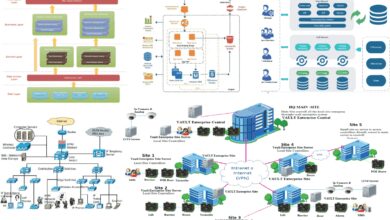
Ever wondered how complex software systems come to life? System development isn’t just about coding—it’s a strategic journey from idea to execution, packed with planning, design, testing, and continuous improvement. Let’s dive into the powerful world of system development and uncover what makes it the backbone of modern technology.


What Is System Development and Why It Matters

System development refers to the structured process of creating, designing, deploying, and maintaining information systems that meet specific user needs. Whether it’s a mobile app, enterprise resource planning (ERP) software, or a cloud-based platform, system development ensures that technology aligns with business goals and user expectations.
Defining System Development in Modern Context
In today’s digital-first world, system development has evolved beyond traditional software engineering. It now encompasses agile methodologies, DevOps practices, cloud integration, and user-centered design. The goal remains the same: deliver reliable, scalable, and secure systems that solve real-world problems.
- It involves both technical and managerial processes.
- It integrates user feedback at every stage.
- It supports digital transformation across industries.
Core Objectives of System Development
The primary aim of system development is to build systems that are functional, efficient, and sustainable. This requires a clear understanding of user requirements, system constraints, and long-term maintenance needs.
- Meet user and business requirements accurately.
- Ensure system reliability and performance under load.
- Support future scalability and integration with other systems.
“The best systems are not just built—they’re thoughtfully crafted through disciplined system development processes.” — Tech Leadership Journal, 2023
The 7 Phases of System Development Life Cycle (SDLC)
The System Development Life Cycle (SDLC) is a proven framework used to design, develop, and test high-quality software systems. It provides a structured flow that minimizes risks and maximizes efficiency. Each phase builds on the previous one, ensuring a logical progression from concept to deployment.
1. Planning and Requirement Analysis
This is the foundation of any successful system development project. During this phase, stakeholders define the problem, identify goals, and gather detailed requirements. Techniques like interviews, surveys, and use case modeling help capture functional and non-functional needs.
- Identify project scope and feasibility.
- Conduct cost-benefit analysis.
- Define system boundaries and user roles.
According to the ScienceDirect overview of SDLC, requirement gathering errors are responsible for over 40% of project failures—making this phase critical.
2. System Design
Once requirements are clear, the next step is designing the system architecture. This includes data flow diagrams, database schemas, UI/UX wireframes, and technical specifications. Design decisions made here directly impact performance, security, and maintainability.
- Create high-level and low-level design documents.
- Select appropriate technologies and frameworks.
- Define APIs, modules, and integration points.
A well-documented design phase reduces rework and accelerates development.
3. Implementation (Coding)
This is where developers write the actual code based on the design specifications. Programming languages, tools, and environments are chosen according to project needs. Code quality, version control, and collaboration are essential during implementation.
- Follow coding standards and best practices.
- Use Git or similar version control systems.
- Integrate continuous integration (CI) pipelines early.
4. Testing
No system is ready without rigorous testing. This phase identifies bugs, performance bottlenecks, and security vulnerabilities. Different types of testing—unit, integration, system, and user acceptance—are conducted to ensure quality.
- Automate tests where possible using tools like Selenium or JUnit.
- Perform load and stress testing for scalability.
- Involve end-users in UAT (User Acceptance Testing).
Testing is not a one-time event but an ongoing process throughout system development.
5. Deployment
After successful testing, the system is deployed into the production environment. Deployment strategies vary—from big bang releases to phased rollouts or canary deployments—depending on risk tolerance and system complexity.
- Prepare deployment checklists and rollback plans.
- Monitor system behavior post-deployment.
- Train users and support teams.
Modern DevOps practices enable automated deployments using tools like Jenkins, Docker, and Kubernetes.
6. Operation and Maintenance
Once live, the system enters the operation phase. This includes monitoring performance, fixing bugs, applying patches, and handling user support requests. Regular maintenance ensures the system remains secure and functional over time.
- Schedule routine updates and backups.
- Use logging and monitoring tools like Prometheus or Splunk.
- Respond promptly to incidents and outages.
7. Evaluation and Enhancement
The final phase involves reviewing system performance against original objectives. Feedback is collected, metrics are analyzed, and improvement opportunities are identified. This phase often leads to new iterations, feeding back into the planning stage.
- Measure KPIs like uptime, response time, and user satisfaction.
- Conduct post-implementation reviews.
- Plan for feature upgrades or system retirement.
Popular System Development Methodologies Compared
Choosing the right methodology is crucial for the success of any system development initiative. Different approaches suit different project types, team sizes, and business environments. Let’s explore the most widely used models.
Waterfall Model: Linear and Structured
The Waterfall model follows a sequential approach where each phase must be completed before the next begins. It’s ideal for projects with well-defined requirements and minimal expected changes.
- Easy to manage due to rigid structure.
- Clear documentation at each stage.
- Poor flexibility for changing requirements.
Best suited for government, aerospace, or regulated industries where compliance is key.
Agile: Iterative and User-Focused
Agile methodology emphasizes flexibility, collaboration, and customer feedback. Work is broken into sprints (usually 2–4 weeks), delivering incremental improvements. Scrum and Kanban are popular Agile frameworks.
- High adaptability to changing requirements.
- Frequent releases and stakeholder involvement.
- Requires experienced teams and strong communication.
According to the State of Agile Report 2023, over 70% of organizations use Agile for system development due to faster time-to-market and improved product quality.
DevOps: Bridging Development and Operations
DevOps is not just a methodology but a cultural shift that integrates development and IT operations. It enables continuous integration, delivery, and deployment (CI/CD), reducing downtime and accelerating release cycles.
- Automates testing and deployment pipelines.
- Improves collaboration between teams.
- Enhances system reliability and security.
Companies like Amazon and Netflix rely heavily on DevOps for rapid innovation and scalability.
Key Roles in System Development Teams
A successful system development project depends on a diverse team with complementary skills. Each role contributes uniquely to the lifecycle, ensuring technical excellence and alignment with business goals.
Project Manager
The project manager oversees the entire system development process, ensuring timelines, budgets, and deliverables are met. They coordinate between stakeholders, developers, and clients.
- Creates project plans and tracks progress.
- Manages risks and resolves conflicts.
- Communicates status updates to executives.
Systems Analyst
Systems analysts act as a bridge between business needs and technical solutions. They gather requirements, analyze workflows, and recommend system improvements.
- Translates user needs into technical specs.
- Models business processes using UML or BPMN.
- Evaluates system performance and efficiency.
Software Developers and Engineers
These are the builders of the system. They write code, debug issues, and implement features based on design documents. Frontend, backend, and full-stack developers all play vital roles.
- Develop APIs, databases, and user interfaces.
- Optimize code for speed and security.
- Collaborate with QA teams for bug fixes.
Quality Assurance (QA) Testers
QA testers ensure the system works as intended. They design test cases, execute manual and automated tests, and report defects.
- Verify functionality, usability, and performance.
- Ensure compliance with industry standards.
- Support regression testing after updates.
DevOps and Security Engineers
These specialists focus on deployment automation, infrastructure management, and cybersecurity. They ensure the system is scalable, resilient, and protected from threats.
- Configure CI/CD pipelines.
- Monitor system health and logs.
- Implement firewalls, encryption, and access controls.
Tools and Technologies Used in System Development
Modern system development relies on a robust ecosystem of tools that enhance productivity, collaboration, and quality. From integrated development environments (IDEs) to cloud platforms, the right tools can make or break a project.
Integrated Development Environments (IDEs)
IDEs provide a comprehensive workspace for coding, debugging, and testing. Popular options include Visual Studio Code, IntelliJ IDEA, and Eclipse.
- Offer syntax highlighting and code completion.
- Support multiple programming languages.
- Integrate with version control and testing tools.
Version Control Systems
Version control is essential for tracking code changes and enabling team collaboration. Git is the most widely used system, hosted on platforms like GitHub, GitLab, and Bitbucket.
- Enable branching and merging strategies.
- Facilitate code reviews and pull requests.
- Support rollback in case of errors.
Learn more about Git workflows at the official Git documentation.
Project Management and Collaboration Tools
Tools like Jira, Trello, and Asana help teams manage tasks, sprints, and deadlines. They provide visibility into project progress and facilitate agile practices.
- Track user stories and bugs.
- Visualize workflows with Kanban boards.
- Integrate with development and testing tools.
Cloud Platforms and Infrastructure
Cloud providers like AWS, Microsoft Azure, and Google Cloud Platform (GCP) offer scalable infrastructure for hosting and deploying systems. They support microservices, serverless computing, and containerization.
- Reduce hardware costs and increase scalability.
- Enable global access and disaster recovery.
- Support DevOps and CI/CD pipelines.
Testing and Monitoring Tools
Automated testing tools like Selenium, Postman, and JUnit improve software quality. Monitoring tools such as New Relic, Datadog, and Grafana help track system performance in real time.
- Detect bugs early in the development cycle.
- Monitor API response times and error rates.
- Generate alerts for system anomalies.
Challenges in System Development and How to Overcome Them
Despite advancements in tools and methodologies, system development faces numerous challenges. Recognizing these early and implementing mitigation strategies is key to project success.
Poor Requirement Gathering
One of the top reasons for project failure is unclear or incomplete requirements. Stakeholders may not fully understand their needs, or requirements may change mid-project.
- Solution: Use prototyping and iterative feedback loops.
- Engage users early and often.
- Document requirements in a shared repository.
Scope Creep
Scope creep occurs when new features are added without proper approval, leading to delays and budget overruns.
- Solution: Define a clear project scope and change control process.
- Use a formal change request system.
- Prioritize features using MoSCoW or Kano models.
Communication Gaps
Miscommunication between developers, analysts, and clients can lead to misunderstandings and incorrect implementations.
- Solution: Hold regular stand-up meetings and reviews.
- Use collaboration tools with real-time updates.
- Document decisions and share meeting minutes.
Technical Debt
Technical debt refers to shortcuts taken during development that compromise long-term code quality. While sometimes necessary, unchecked debt can cripple future updates.
- Solution: Allocate time for refactoring in each sprint.
- Enforce code reviews and static analysis.
- Track technical debt in project management tools.
Security Vulnerabilities
With rising cyber threats, security must be embedded throughout the system development lifecycle, not added as an afterthought.
- Solution: Implement Secure SDLC (S-SDLC) practices.
- Conduct regular penetration testing.
- Follow OWASP guidelines for web application security.
Best Practices for Successful System Development
Following industry best practices significantly increases the chances of delivering a successful system. These practices promote quality, efficiency, and long-term sustainability.
Adopt User-Centered Design
Always keep the end-user in mind. Conduct user research, create personas, and test prototypes to ensure the system meets real needs.
- Use design thinking principles.
- Incorporate accessibility standards (e.g., WCAG).
- Iterate based on user feedback.
Implement Agile and DevOps Early
Even if your team isn’t fully Agile, adopting iterative development and continuous integration can improve responsiveness and quality.
- Start with small, manageable sprints.
- Automate builds and tests.
- Encourage cross-functional teamwork.
Document Everything
Comprehensive documentation is often overlooked but is vital for maintenance, onboarding, and audits.
- Maintain requirement, design, and test documents.
- Use wikis or knowledge bases for team access.
- Update documentation with every major change.
Perform Regular Code Reviews
Peer code reviews catch bugs early, improve code quality, and foster knowledge sharing.
- Use pull requests for every code change.
- Set clear review guidelines and checklists.
- Rotate reviewers to avoid bottlenecks.
Monitor and Optimize Performance
Performance isn’t just about speed—it includes scalability, availability, and resource efficiency.
- Set performance benchmarks early.
- Use APM (Application Performance Monitoring) tools.
- Optimize database queries and caching strategies.
Future Trends in System Development
The field of system development is rapidly evolving. Emerging technologies and methodologies are reshaping how systems are built, deployed, and maintained.
Artificial Intelligence and Machine Learning Integration
AI is being used to automate coding tasks, predict bugs, and optimize system performance. Tools like GitHub Copilot assist developers with code suggestions.
- AI-powered testing and debugging.
- Predictive analytics for system failures.
- Natural language processing for requirement analysis.
Low-Code and No-Code Platforms
These platforms allow non-developers to build applications using visual interfaces. While not replacing traditional development, they accelerate prototyping and simple app creation.
- Empower citizen developers.
- Reduce development time for internal tools.
- Integrate with existing systems via APIs.
Platforms like OutSystems, Mendix, and Microsoft Power Apps are gaining traction.
Cloud-Native and Microservices Architecture
Modern systems are increasingly built using cloud-native principles and microservices. This allows independent scaling, faster deployments, and better fault isolation.
- Use containers (Docker) and orchestration (Kubernetes).
- Design stateless, loosely coupled services.
- Implement service mesh for communication.
Increased Focus on Cybersecurity
As cyber threats grow, security is becoming a core component of system development, not an add-on.
- Shift-left security: test early and often.
- Adopt zero-trust architecture.
- Comply with GDPR, HIPAA, and other regulations.
Sustainable Software Development
Green computing is emerging as a priority. Developers are optimizing code for energy efficiency and reducing the carbon footprint of digital systems.
- Optimize algorithms for lower CPU usage.
- Use energy-efficient data centers.
- Measure and report software sustainability.
What is system development?
System development is the process of creating, designing, testing, and maintaining software systems to meet specific user or business needs. It involves multiple phases, from requirement gathering to deployment and maintenance, often guided by frameworks like the System Development Life Cycle (SDLC).
What are the main phases of system development?
The main phases are: 1) Planning and Requirement Analysis, 2) System Design, 3) Implementation (Coding), 4) Testing, 5) Deployment, 6) Operation and Maintenance, and 7) Evaluation and Enhancement. These phases form the SDLC and ensure a structured approach to building reliable systems.
Which methodology is best for system development?
There is no one-size-fits-all answer. Agile is ideal for dynamic projects with changing requirements, Waterfall suits projects with fixed scopes, and DevOps excels in environments requiring rapid, continuous delivery. The choice depends on project size, team structure, and business goals.
How do you ensure quality in system development?
Quality is ensured through rigorous testing, code reviews, documentation, user feedback, and adherence to best practices like Agile, DevOps, and secure coding standards. Automated testing and monitoring tools also play a crucial role.
What tools are essential for system development?
Essential tools include IDEs (e.g., VS Code), version control (e.g., Git), project management (e.g., Jira), cloud platforms (e.g., AWS), and testing tools (e.g., Selenium). The toolset varies based on project needs and team preferences.
System development is a dynamic and essential discipline that powers the digital world. From defining requirements to deploying scalable systems, every phase plays a critical role in delivering value. By understanding the SDLC, choosing the right methodologies, leveraging modern tools, and addressing common challenges, teams can build robust, user-friendly, and future-ready systems. As technology evolves, so too must our approach—embracing AI, cloud-native architectures, and sustainable practices to stay ahead in the innovation race.
Further Reading: