Ever wondered how complex software systems are built with precision and purpose? It all starts with system analysis — the backbone of smart, scalable, and successful digital solutions.



What Is System Analysis? A Clear Definition

System analysis is a structured process used to study a system or its components to identify its objectives, functions, and requirements. It’s a critical phase in systems development, especially in information technology, engineering, and business process optimization. The goal? To understand how a system works now and how it can be improved or replaced.
The Core Purpose of System Analysis
At its heart, system analysis aims to solve problems. Whether it’s a slow database, inefficient workflow, or outdated software, system analysis helps stakeholders understand the root causes and design better alternatives.
- Identify inefficiencies in current systems
- Define functional and non-functional requirements
- Bridge communication between users and developers
“System analysis is not just about technology — it’s about understanding people, processes, and goals.” — Dr. Linda Chen, Systems Engineering Professor at MIT
Types of Systems in System Analysis
Not all systems are the same. Analysts must distinguish between various types to apply the right methodology:
- Information Systems: Handle data processing, storage, and retrieval (e.g., ERP, CRM).
- Physical Systems: Involve tangible components like machinery or networks.
- Abstract Systems: Conceptual models such as organizational hierarchies or decision trees.
Understanding these distinctions ensures that system analysis is tailored appropriately to the environment and goals.
The Role of System Analysis in Modern Business
In today’s fast-paced digital economy, businesses rely on system analysis to stay competitive. From automating customer service to optimizing supply chains, system analysis provides the blueprint for innovation.
Driving Digital Transformation
Organizations undergoing digital transformation use system analysis to map legacy processes and identify areas for automation and integration. For example, a retail company might analyze its inventory system to integrate AI-driven forecasting tools.
According to a McKinsey report, companies that invest in structured system analysis are 2.3x more likely to succeed in digital transformation initiatives.
Improving Operational Efficiency
By dissecting workflows, system analysis uncovers redundancies and bottlenecks. A hospital, for instance, might use system analysis to reduce patient wait times by streamlining appointment scheduling and record access.
- Reduces operational costs by up to 30% (Gartner, 2023)
- Enhances cross-departmental collaboration
- Supports data-driven decision-making
Key Phases of System Analysis: A Step-by-Step Guide
Effective system analysis follows a structured lifecycle. Skipping steps can lead to costly errors down the line. Let’s break it down into seven powerful phases.
1. Problem Identification and Scoping
Every project begins with a problem. Is the current payroll system too slow? Are customer complaints rising due to poor order tracking? This phase defines the issue and sets the boundaries of the analysis.
- Conduct stakeholder interviews
- Define project objectives and constraints
- Create a preliminary problem statement
Tools like SWOT analysis and fishbone diagrams help visualize root causes.
2. Information Gathering and Requirements Elicitation
This is where analysts collect data about the current system. Techniques include surveys, observations, document reviews, and workshops.
- Functional Requirements: What the system should do (e.g., generate monthly reports).
- Non-Functional Requirements: How well it should perform (e.g., response time under 2 seconds).
- User Requirements: Needs from end-users, managers, and IT staff.
A well-documented requirement prevents scope creep and misalignment.
3. Feasibility Study
Before investing time and money, organizations must assess whether the proposed system is viable. This involves evaluating:
- Technical Feasibility: Can we build it with current technology?
- Economic Feasibility: Will the ROI justify the cost?
- Operational Feasibility: Will users adopt it?
- Schedule Feasibility: Can it be delivered on time?
A study by ISACA shows that 68% of failed IT projects skipped proper feasibility analysis.
4. System Modeling and Design
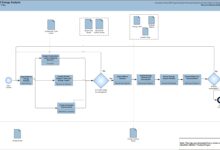
Using tools like UML (Unified Modeling Language), analysts create visual models of the system. These include:
- Data Flow Diagrams (DFD)
- Entity-Relationship Diagrams (ERD)
- Use Case Diagrams
These models serve as blueprints for developers and help stakeholders visualize the future system.
5. Alternative Solutions Evaluation
Rarely is there only one way to solve a problem. Analysts evaluate multiple options using decision matrices or cost-benefit analysis.
- Build vs. Buy vs. Outsource
- Cloud-based vs. On-premise deployment
- Custom development vs. Off-the-shelf software
Each option is scored based on criteria like cost, scalability, security, and maintenance.
6. Documentation and Reporting
Clear documentation is essential. The System Requirements Specification (SRS) document captures all findings, models, and recommendations.
- Includes functional specs, data dictionaries, and interface designs
- Serves as a contract between client and developer
- Must be version-controlled and accessible
According to IEEE, a well-written SRS can reduce development errors by up to 40%.
7. Presentation and Approval
The final step is presenting the analysis to stakeholders. This includes demos, walkthroughs, and Q&A sessions.
- Highlight benefits and risks
- Secure formal sign-off
- Transition to system design and implementation
Without approval, the project cannot move forward — making this phase critical for momentum.
Tools and Techniques Used in System Analysis
Modern system analysts rely on a suite of tools to gather, model, and communicate system requirements effectively.
Diagramming and Modeling Tools
Visual representation is key to understanding complex systems. Popular tools include:
- Lucidchart: Collaborative diagramming with real-time editing. Visit Lucidchart
- Microsoft Visio: Industry-standard for flowcharts and network diagrams.
- Draw.io (diagrams.net): Free, open-source tool for UML and DFDs.
These tools help create professional-grade diagrams that clarify system behavior.
Requirements Management Software
Tracking requirements across teams and timelines requires robust software:
- Jira: Agile teams use Jira to manage user stories and system requirements. Explore Jira
- Trello: Simpler boards for small-scale projects.
- ReqView: Specialized for structured requirement documentation.
These tools ensure traceability from initial request to final implementation.
Data Analysis and Simulation Tools
To predict system performance, analysts use simulation and data analysis tools:
- Python (Pandas, NumPy): For data cleaning and statistical analysis.
- Simul8: Process simulation software for modeling workflows.
- Tableau: Visualize system performance metrics. Learn more
These tools provide empirical evidence to support design decisions.
Common Challenges in System Analysis (And How to Overcome Them)
Even experienced analysts face obstacles. Recognizing them early improves project outcomes.
Vague or Changing Requirements
One of the top reasons for project failure is unclear or shifting requirements. Users often don’t know what they want until they see a prototype.
Solution: Use iterative methods like Agile or prototyping to gather feedback early and often.
“The most dangerous phrase in system development is ‘They never told us that.'” — Robert Martin, Clean Code
Stakeholder Resistance
Employees may fear job loss or increased workload due to new systems. This leads to passive resistance or lack of cooperation.
Solution: Involve users from day one. Conduct training sessions and communicate benefits clearly.
Technical Debt and Legacy Systems
Many organizations rely on outdated systems that are hard to integrate or modify. System analysis must account for these constraints.
- Document legacy system behavior thoroughly
- Plan phased migration strategies
- Use middleware or APIs for integration
A Gartner study found that 75% of IT leaders cite legacy systems as a major barrier to innovation.
System Analysis vs. System Design: Understanding the Difference
While often used interchangeably, system analysis and system design are distinct phases.
Focus and Objectives
System analysis asks: What does the system need to do? It’s about understanding requirements and problems.
System design asks: How will the system do it? It involves architecture, interfaces, and technical specifications.
- Analysis: Problem-focused, user-centered
- Design: Solution-focused, developer-centered
Deliverables and Outputs
System analysis produces:
- Requirement documents
- Feasibility reports
- Process models
System design produces:
- Architecture diagrams
- Database schemas
- UI/UX wireframes
Both are essential, but they serve different audiences and purposes.
Best Practices for Effective System Analysis
Following proven practices increases the likelihood of project success.
Engage Stakeholders Early and Often
Include end-users, managers, and IT staff from the beginning. Their insights prevent costly misunderstandings later.
- Hold regular workshops
- Use feedback loops
- Validate assumptions with real users
Use Prototypes to Clarify Expectations
A working prototype — even a simple mockup — helps users visualize the system and provide meaningful feedback.
- Low-fidelity prototypes for early testing
- High-fidelity for usability studies
- Tools like Figma or Adobe XD are ideal
Document Everything Clearly
Assumptions, decisions, and changes must be recorded. Poor documentation leads to confusion and rework.
- Use standardized templates
- Maintain a central repository
- Update documents in real time
Validate Requirements Continuously
Don’t wait until the end to check if requirements are met. Use validation techniques like walkthroughs, reviews, and traceability matrices.
- Ensure each requirement is testable
- Map requirements to design elements
- Confirm alignment with business goals
Future Trends in System Analysis
The field of system analysis is evolving rapidly due to technological advancements.
AI and Machine Learning Integration
AI-powered tools can now analyze system logs, predict failures, and even suggest optimizations. For example, AI can mine user behavior data to recommend feature improvements.
Companies like IBM and Google are already embedding AI into their system analysis platforms.
Automated Requirements Extraction
Natural Language Processing (NLP) tools can scan emails, meeting transcripts, and documents to extract potential requirements automatically.
This reduces manual effort and minimizes oversight.
Real-Time System Monitoring and Feedback
Modern systems generate vast amounts of operational data. Analysts can use real-time dashboards to monitor performance and adapt requirements dynamically.
- Tools like Splunk and Datadog provide live insights
- Enables proactive system tuning
- Supports continuous improvement cycles
Increased Focus on Security and Compliance
With rising cyber threats and regulations like GDPR and HIPAA, system analysis must include security requirements from the start.
- Conduct threat modeling
- Integrate privacy-by-design principles
- Ensure compliance with industry standards
Security is no longer an afterthought — it’s a core requirement.
What is the main goal of system analysis?
The main goal of system analysis is to understand the current system, identify problems or opportunities, and define requirements for an improved or new system. It ensures that the final solution meets user needs and business objectives.
What are the key skills of a system analyst?
A successful system analyst needs strong analytical thinking, communication skills, technical knowledge, problem-solving abilities, and familiarity with modeling tools and methodologies like UML, Agile, and SDLC.
How does system analysis differ from system design?
System analysis focuses on understanding what the system should do by gathering and analyzing requirements. System design focuses on how the system will be built, including architecture, interfaces, and technical specifications.
What methodologies are used in system analysis?
Common methodologies include Waterfall, Agile, Rapid Application Development (RAD), and Spiral. Agile is increasingly popular due to its flexibility and iterative approach.
Why is documentation important in system analysis?
Documentation ensures clarity, traceability, and accountability. It serves as a reference for developers, testers, and stakeholders, reducing misunderstandings and project risks.
System analysis is not just a technical task — it’s a strategic discipline that bridges business needs with technological solutions. From identifying inefficiencies to designing future-ready systems, it plays a vital role in digital transformation. By following structured phases, using the right tools, and embracing best practices, organizations can build systems that are efficient, scalable, and user-centric. As technology evolves, so too will the methods and tools of system analysis — making it an ever-relevant field for innovation and growth.
Further Reading: